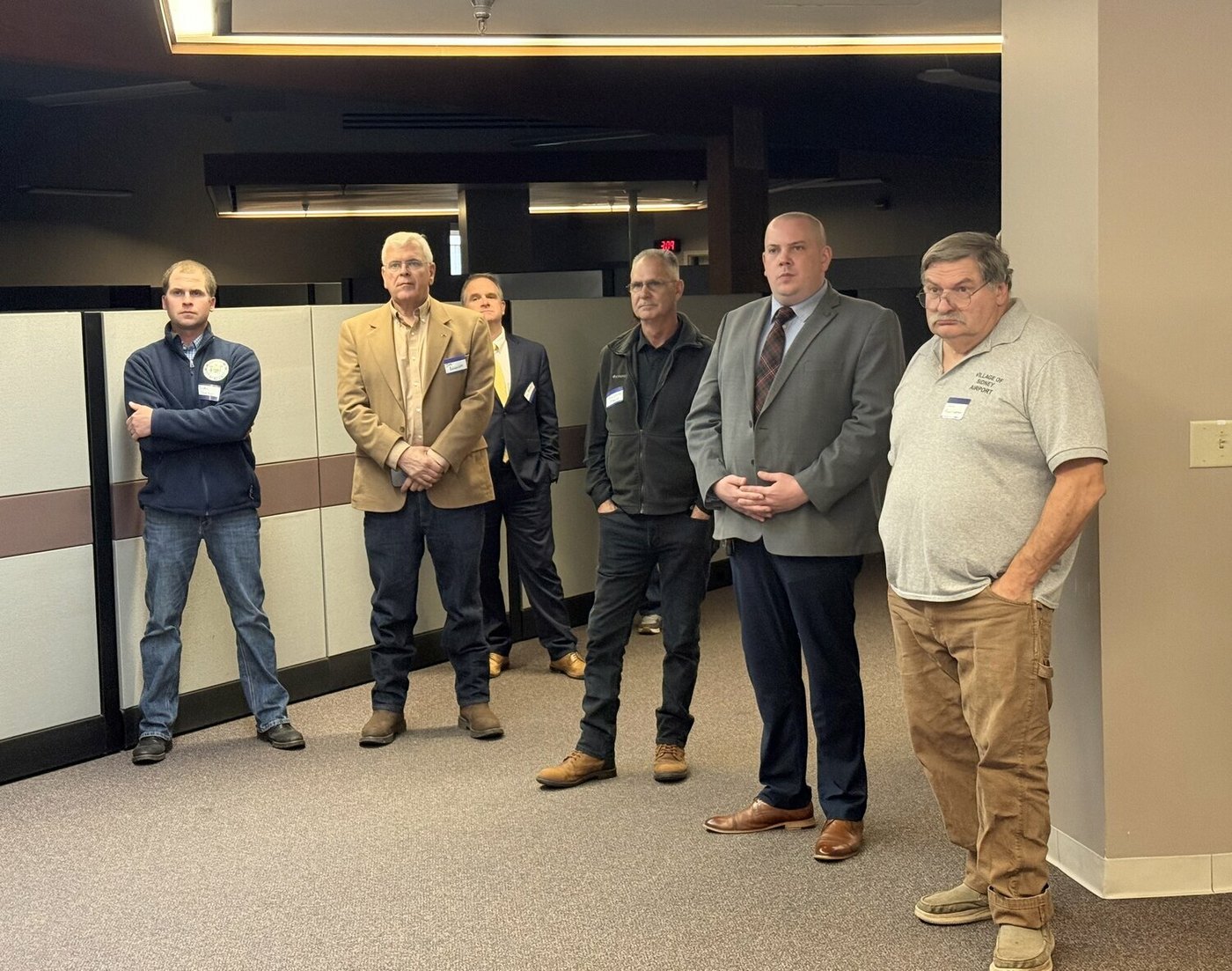
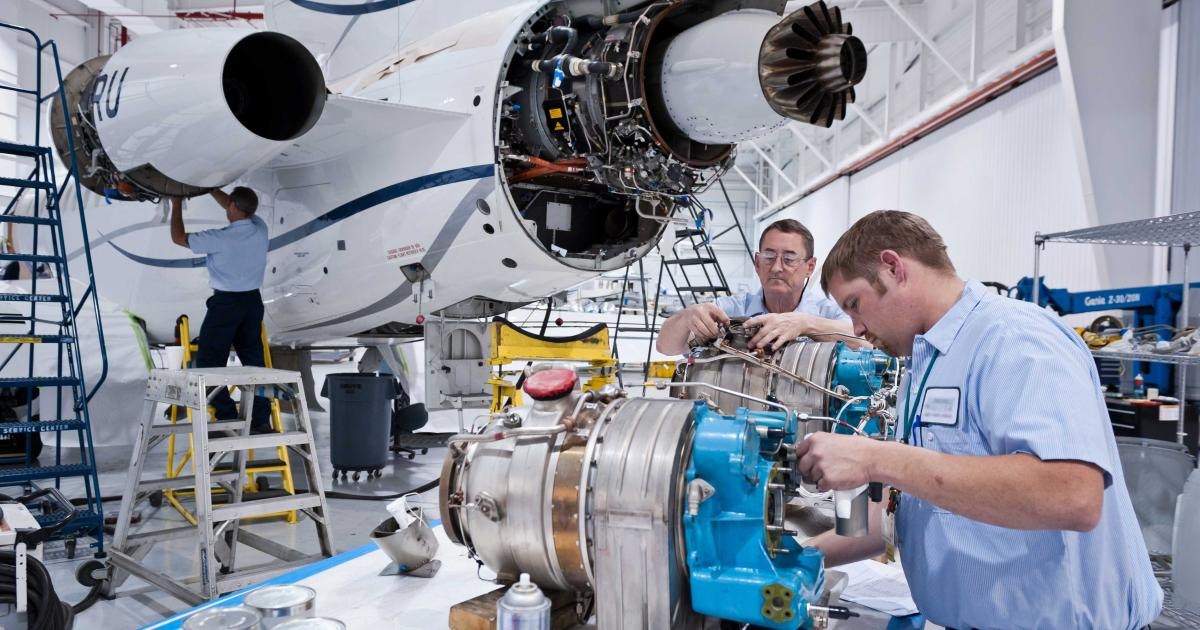
The aviation and aerospace sectors are entering a well‑documented workforce shortage that will intensify without intervention. The FAA projects a deficit of 4,000 air traffic controllers over the next two decades, driven by mandatory retirements at age 56, an aging cohort hired more than 25 years ago, and training bottlenecks that delay new entrants for up to a year. Boeing estimates that North America will need 123,000 new maintenance technicians over the same period. New York State carries a disproportionate share of this challenge.
Education
STAI’s Education and Workforce Development plan is the foundation that supplies talent to every other part of the initiative. Manufacturing requires technicians and engineers. STAN airports need controllers, mechanics, and flight instructors. Airlines serving JFK and LGA need pilots and maintenance technicians. The green‑aviation R&D platform needs researchers and innovators. All of them depend on a reliable pipeline. This section defines that pipeline.
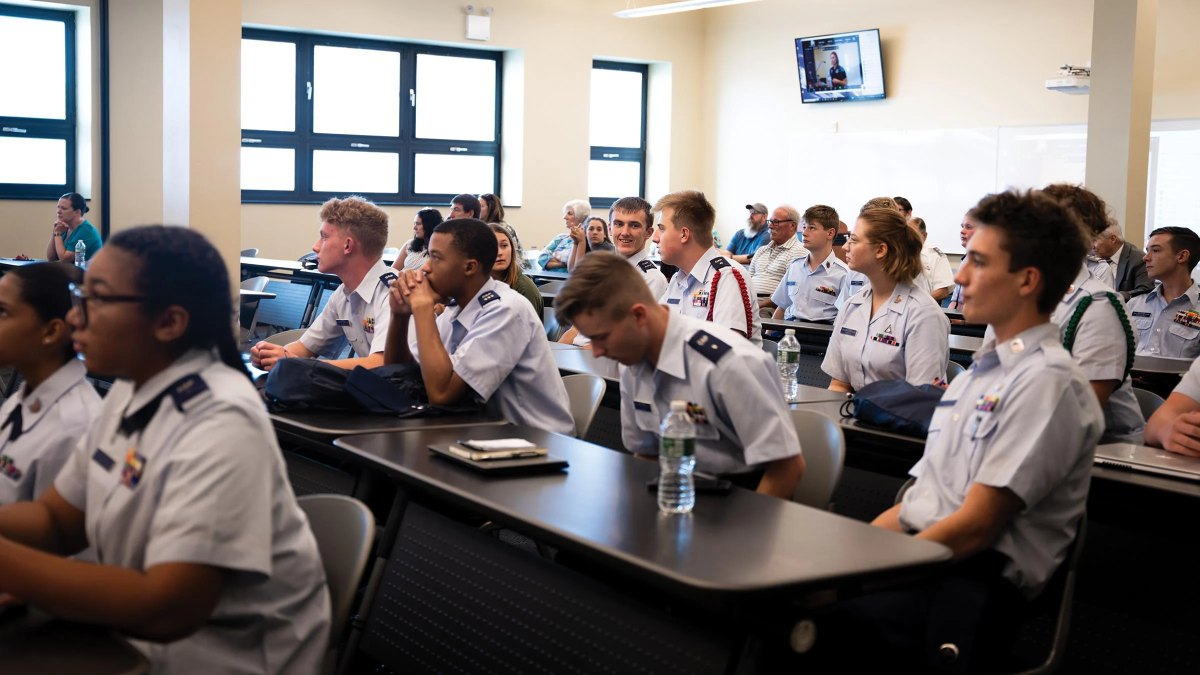
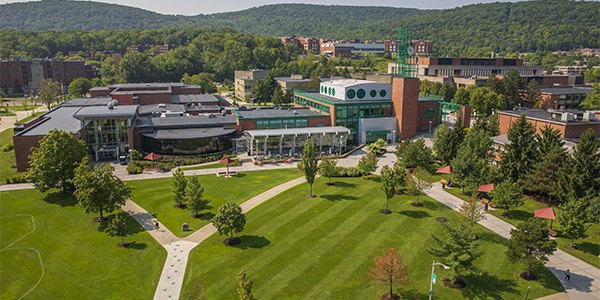
The pipeline moves through five stages: early aviation awareness in middle school, credentialing in high school, higher‑education programs at Sidney Aviation college, SUNY Delhi and partner institutions, instructor and CFI placement across the STAN network, and full career placement with airlines, manufacturers, NYC airports, and regional school systems. It is strengthened by partnerships no other Northeast aviation initiative can match: the New York Guard as an instructor source, BOCES as the regional curriculum engine, Civil Air Patrol as a youth aviation feeder, a practitioner‑teaching model that brings working professionals into classrooms, and a direct entry point for adult learners changing careers.
At its heart, this pipeline exists to ensure that anyone—regardless of background, zip code, or family income—has a real, structured path into the aviation and aerospace industry. Whether someone is to provide for their family, building a career of their own, or contributing to the future of the field, the door is open. STAI’s role is to make that door visible and to provide the support people need to walk through it.